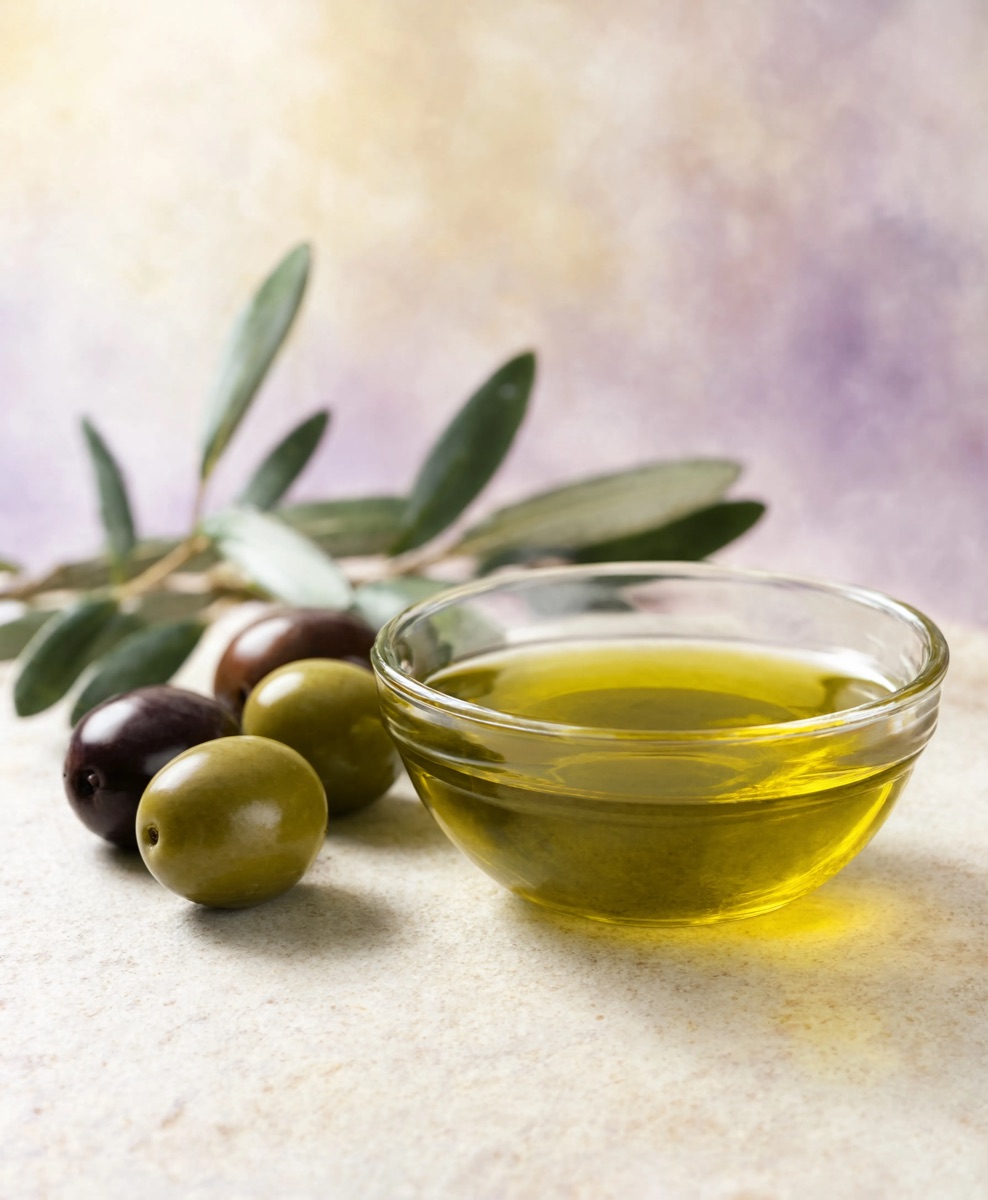
 Cold-pressed olive oil has been a skin-care staple since antiquity.
A skincare story four thousand years old
Long before anyone bottled a moisturizer, people across the Mediterranean were pressing olives and smoothing the oil onto their skin. In the bathhouses of ancient Greece and Rome, bathers rubbed olive oil over their bodies, then scraped it off with a curved tool called a strigil, carrying the day's dust away with it. Olive oil was soap, moisturizer, and massage oil all in one.
Centuries later, soap makers in the Castile region of Spain built an entire craft around it. Castile soap, made with olive oil, became famous across Europe for one reason: it was gentle. That reputation has held for hundreds of years, and it's the same reason olive oil is in our own soap today.
Very few ingredients survive four thousand years of trends. Olive oil did, because it works.
What olive oil does for skin
Olive oil is pressed straight from the fruit, and the cold-pressed kind keeps everything the olive grew with. On skin, that translates to a few simple things:
- Nourishing, softening moisture. Olive oil is rich in oleic acid, the same softening fatty acid that makes shea butter so loved. It leaves skin supple, not tight.
- Staying power. It's a medium-weight oil, so its softness lingers longer than the featherlight oils in the blend.
- A gentle nature. The castile tradition exists because olive oil cleanses and conditions without harshness. It has always been the mild choice.
- Cushion for the blend. In a whipped butter it rounds out the texture, sitting between the light oils and the rich butters.
Why it belongs in the whipped butters
Every SARMARI'S whipped butter starts from the same base: raw shea butter folded with cold-pressed oils, olive oil among them. Each oil has a role. Grapeseed brings lightness. Castor seals moisture in. Olive oil is the steady middle, adding nourishment and a soft, conditioned feel that lasts through the day.
Without it, the blend would lean either too light or too heavy. With it, the whip lands in that comfortable in-between where the butter feels rich going on and weightless minutes later. Our whipped body butter guide explains how all the pieces work together.
Why it belongs in the Oatmeal Soap
Soap has a hard job. It has to lift away dirt and oil without taking your skin's own moisture along with it. Most mass-market bars fail that test, which is why so many people step out of the shower feeling tight and squeaky.
Olive oil is our answer, just as it was for the soap makers of Castile. In our Oatmeal Soap, it works alongside shea butter, coconut oil, and colloidal oatmeal to make a bar that cleanses softly and leaves skin comfortable instead of stripped. It's the difference between clean and scoured.
How to get the most from olive oil
- Look for cold-pressed. Heat and heavy processing strip out part of what makes olive oil worth using. Cold-pressed keeps it whole.
- Use it blended. Straight olive oil can feel rich on its own. In a whipped butter or a well-made bar, it's already balanced for you.
- Apply butters to damp skin. Right after washing, while skin holds water, is when olive oil's sealing softness does its best work.
- Patch test if you're new. Try any new product on your inner arm for 24 to 48 hours before full use.
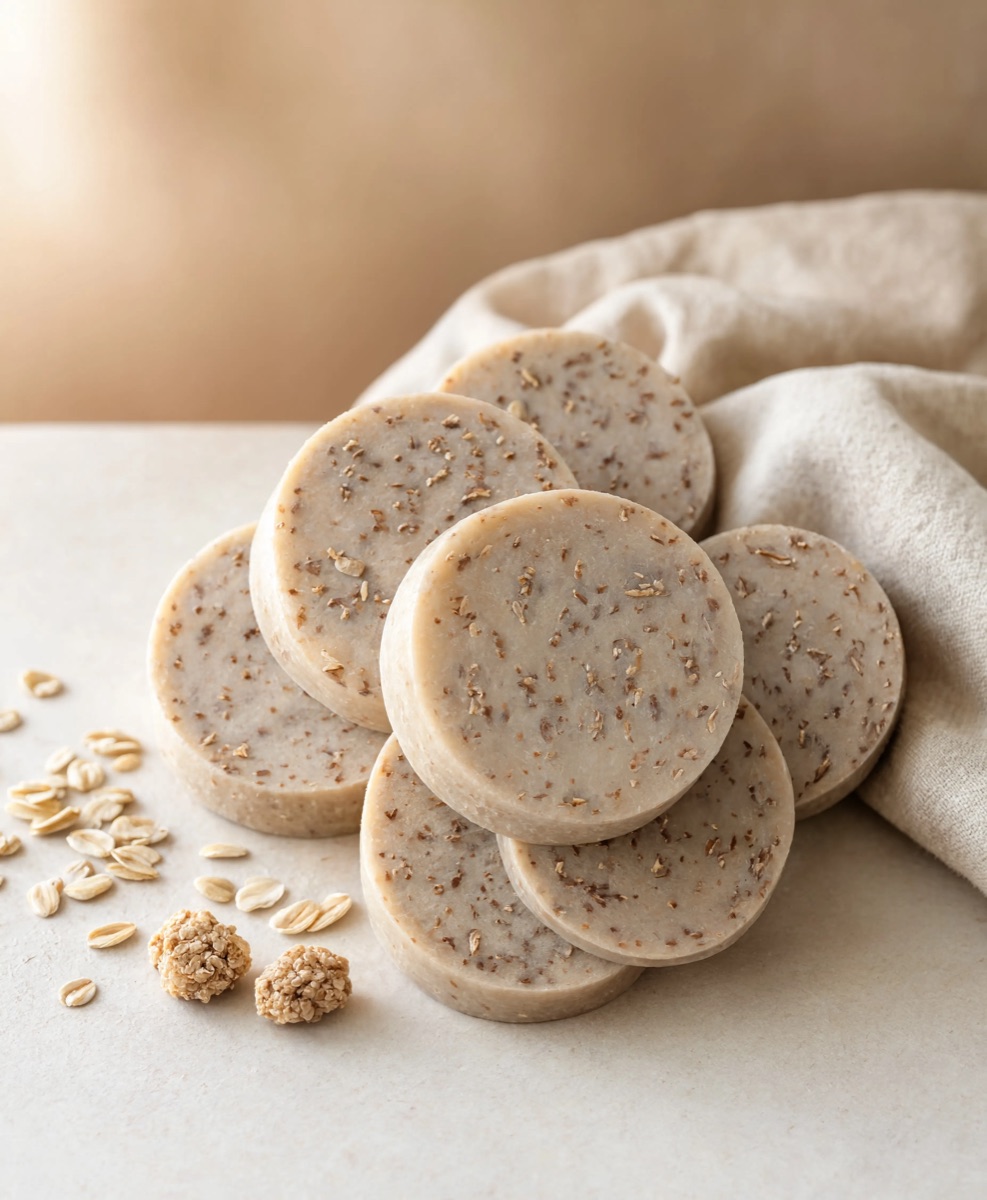
Bar Soap
Oatmeal Soap
Soft, soothing, made for sensitive skin. $10 a bar.
Shop →
Where you'll find olive oil in our collection
Olive oil runs through nearly everything we make. It's part of the shared base in every whipped body butter, and it's one of the four simple ingredients in our Oatmeal Soap. Four thousand years of skincare history, still doing its quiet work in every jar and every bar.
Questions people ask
Is olive oil good for your skin?
Yes. Olive oil is a nourishing, softening moisturizer that people have trusted for thousands of years. It's rich in fatty acids that soften skin and help it hold on to moisture, which is why it's blended into every SARMARI'S whipped butter and our Oatmeal Soap.
Will products made with olive oil smell like olive oil?
No. The amount used in a skincare blend is small, and its mild note disappears under the shea base and essential oils. You get the softness of olive oil without any kitchen smell.
Why is olive oil used in bar soap?
Olive oil is the heart of the castile soap tradition, prized for making bars that cleanse gently instead of stripping skin. In our Oatmeal Soap it works alongside shea butter and colloidal oatmeal to keep the bar soft and kind to sensitive skin.
Is olive oil heavy or greasy on skin?
On its own, olive oil is a medium-weight oil, richer than grapeseed but lighter than castor. Blended into a whipped butter it simply adds cushion and staying power, and the lighter oils in the base keep the finish soft rather than greasy.
This page shares general information about cosmetic ingredients. It isn't medical advice, and our products aren't intended to diagnose, treat, cure, or prevent any condition. If you have a skin concern, talk with your doctor or dermatologist.